

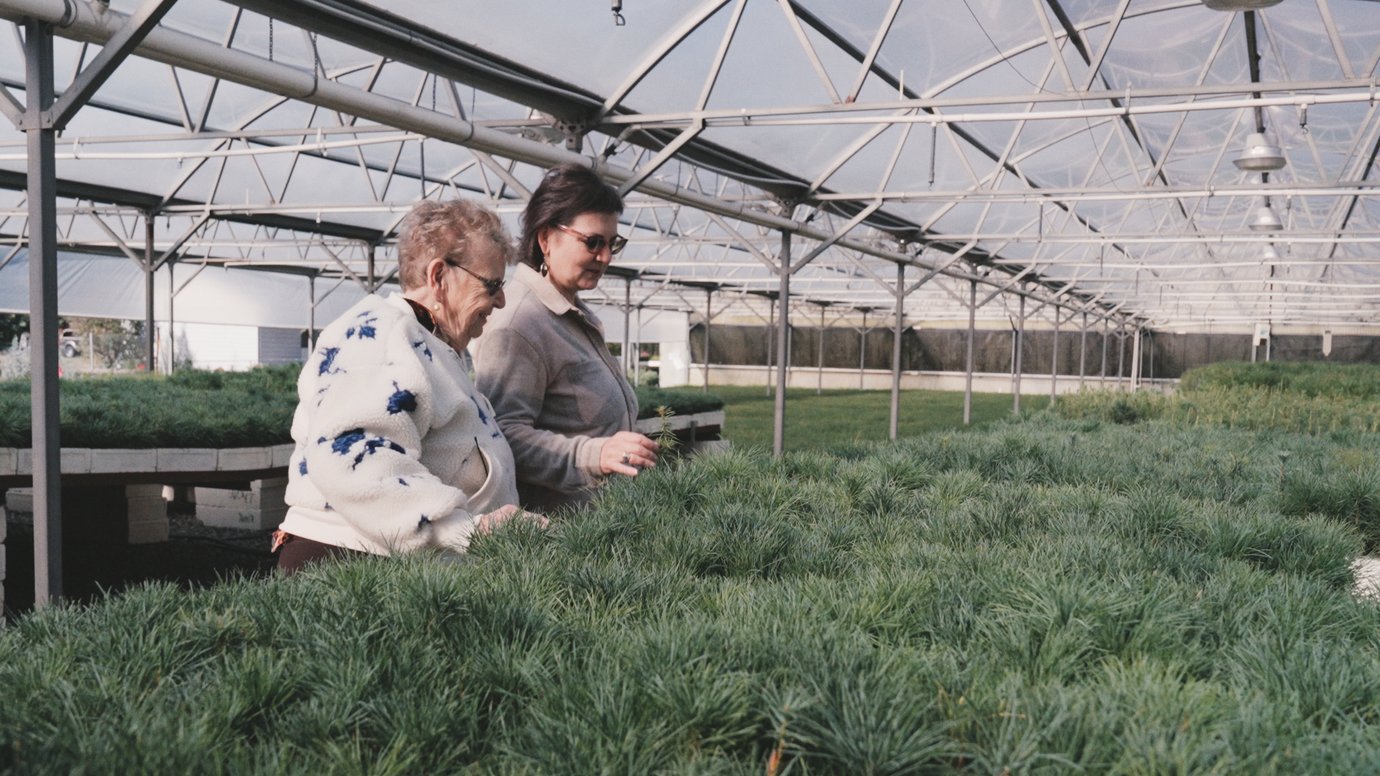
Inside Mast's Silvaseed Company in western Washington, rows of carefully labeled bushel bags and cone-filled crates line the aisles. This is where future forests get their start.
This October, Velma and Rebecca, the mother–daughter ranchers behind Mast’s Wood Preserve MT1 project in southern Montana, traveled to our nursery to see something they’d waited more than a year to witness: the thousands of ponderosa pine seedlings that will return to their ranch in spring 2026. For them, this moment wasn’t just a nursery tour; it was the first tangible glimpse of their forest’s recovery.
We’ve been waiting over a year for this trip to Silvaseed. To finally see our trees growing—trees that will be planted back on the ranch next spring—feels a little unreal. We couldn’t be more excited.”
—Rebecca Gentry
After the Poverty Flats fire in 2021 devastated their property and thousands of acres more across Big Horn County, Rebecca started doing what she could bit by bit. She planted a few hundred seedlings before the biomass burial project with Mast began. She explains the impact that the fire had on her in her search to recover.
A Full-Circle Moment
The fire's severity left little opportunity for natural regeneration across their ranch lands. The Gentry's, like many landowners, had limited options for dealing with their fire-killed trees. Left in place, they would continue to post a risk of fueling future fires, endangering response teams, and hindering restoration efforts. With no mill to take the wood and the firewood market oversaturated, the Gentrys faced a post-fire dilemma: burn the fallen, dead trees or shoulder the full cost of clearing them.
Last year, Mast came in with a novel, new option: burying the fire-killed trees, removing their carbon from the atmospheric cycle and generating carbon credit revenue that would pay for reforestation.
This visit to Silvaseed honored a major milestone: the point where the work moved from burying dead trees to nurturing the new ones.
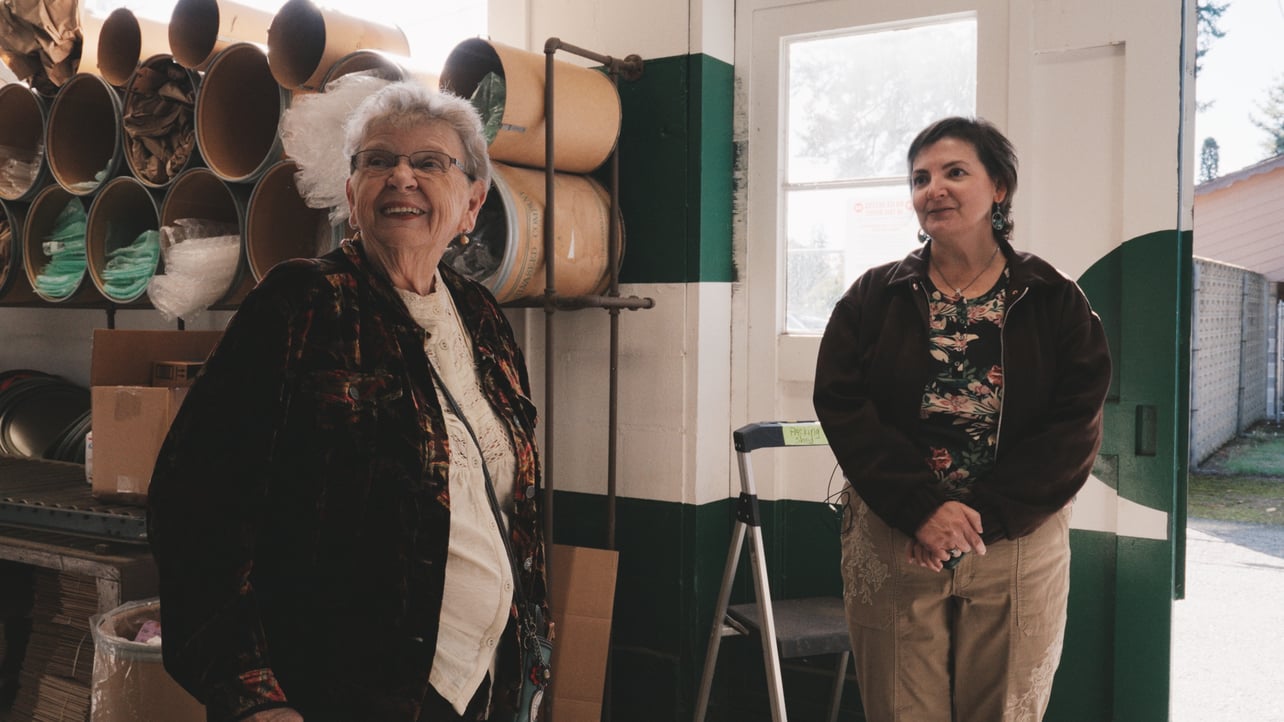
Velma (left) and Rebecca (right) arrive at Silvaseed ready to learn about the seed extraction process and see their ponderosa pine seedlings.
From Cones to Forest: Inside the Seed Journey
Earlier this year, Mast’s cone collection crew harvested 72 bushels of cones from the ranch—enough to produce half a million seedlings. That’s enough potential to reforest well over 1,000 acres—an area larger than three Central Parks put together.
After being transported from Montana to Silvaseed, the seed was cleaned and processed using methods refined over more than a century. For Velma and Rebecca, seeing their own cones enter the kiln connected the full seed-to-seedling story in a way no document or phone call ever could.
I’ve had pine cones around me all my life, but I never really knew what to expect from them. Now, seeing these seeds, I know—they’re going to grow really good trees.
-Velma Gentry
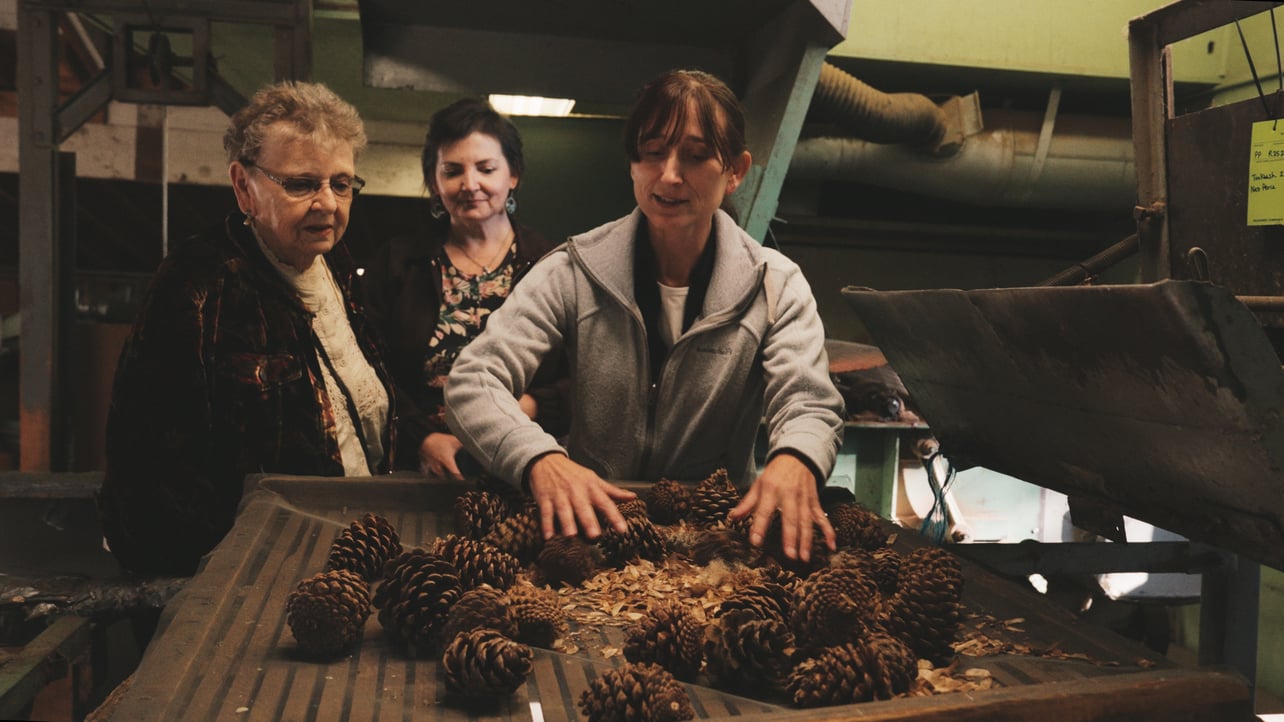 Kea shows Velma and Rebecca how the ponderosa pine cones, collected on their property this fall, are ready to enter the kiln at Silvaseed.
Meeting their Future Forest
Inside the greenhouse, Velma and Rebecca saw their future forest for the first time. Rows of young ponderosa pine seedlings were growing steadily, ready for the next chapter in the restoration process.
Rebecca picked up one of the seedlings, imagining where it would take root back home.
Little green babies. Look at all those roots! You’re coming back home to the Gentry ranch!”
-Rebecca Gentry
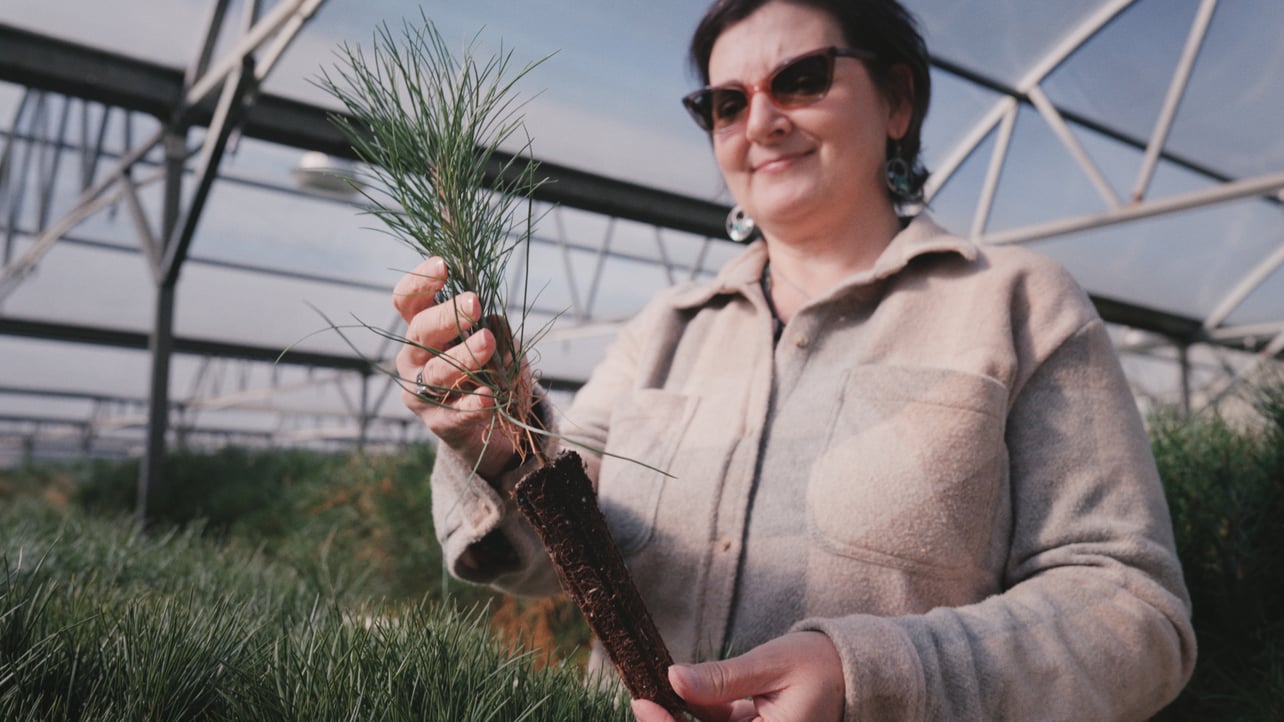 Rebecca smiles as she picks up a seedling.
In spring 2026, these seedlings will be planted across 125 acres of the MT1 restoration area—stabilizing soils, restoring habitat, and beginning the long-term recovery of a forest that could not regenerate on its own.
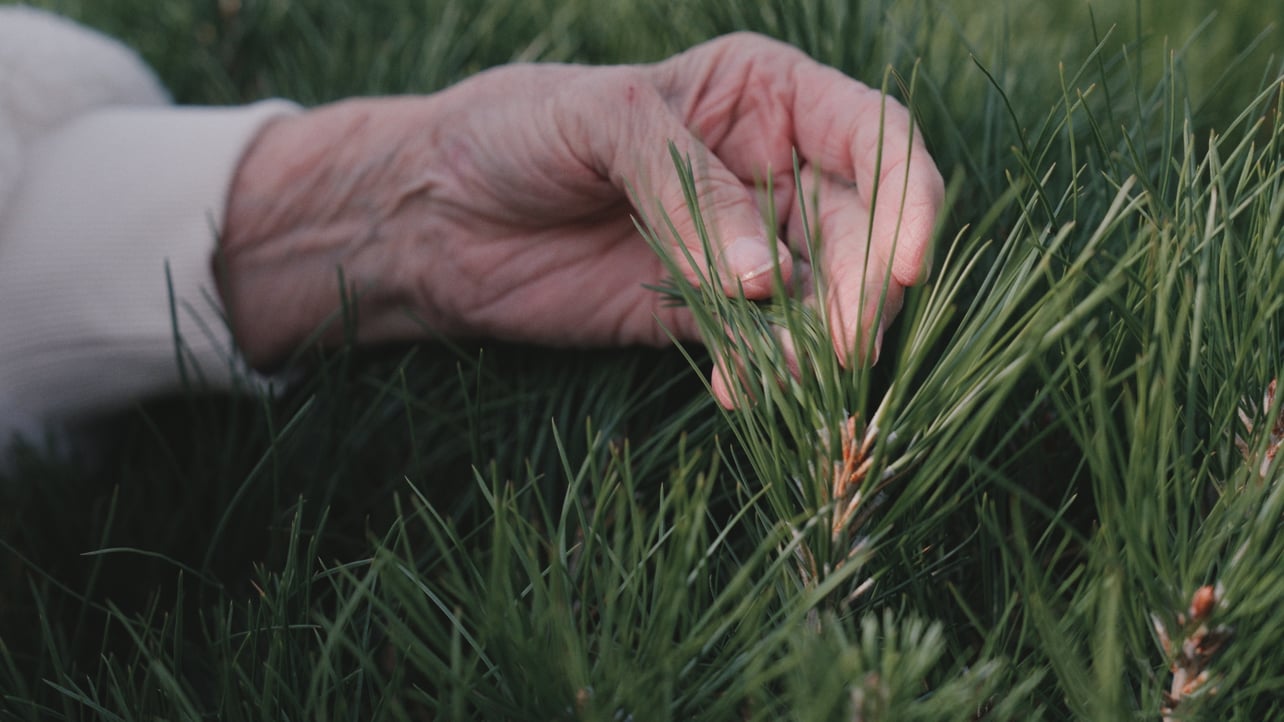 Velma touches the needles on the seedlings that will be planted on her ranch in the spring.
Looking Ahead
Before leaving, Rebecca and Velma spent a few more minutes with the seedlings—now connected to the burned trees on their land in a direct and visible way. The wood that once stood on their ranch now funds the next generation of forest growing there.
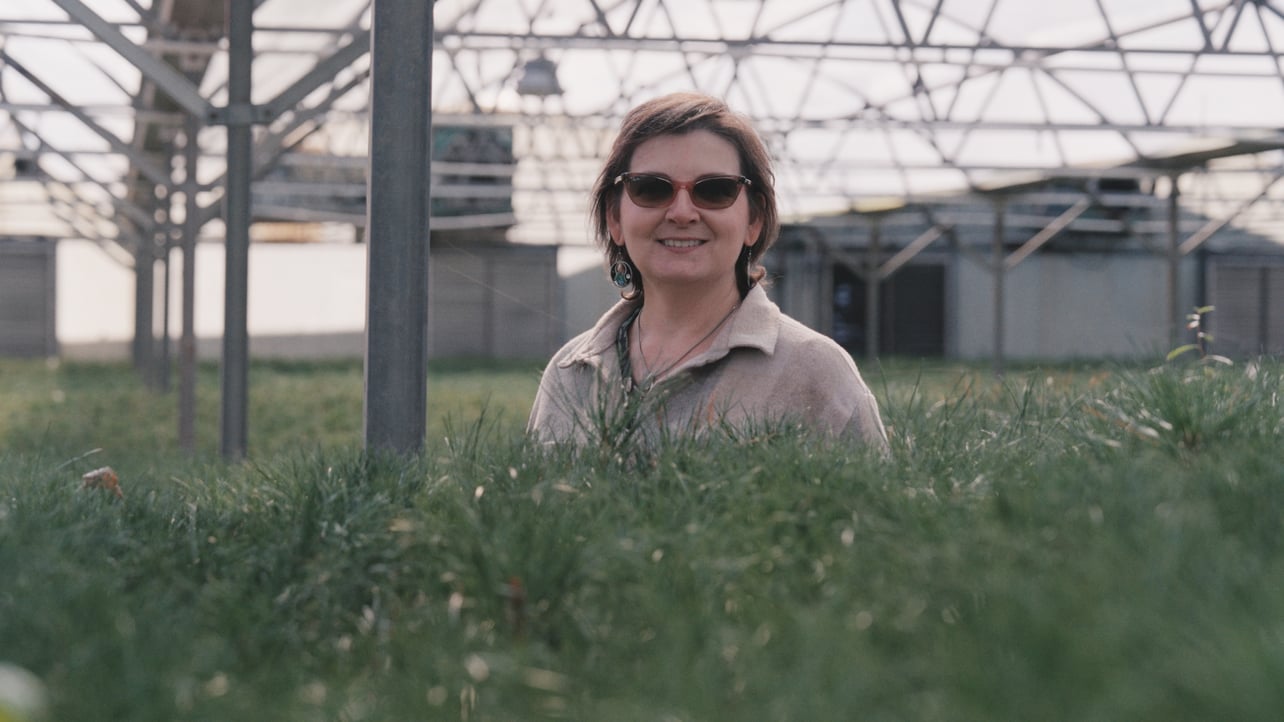 Rebecca smiles in the greenhouse with the ponderosa pine seedlings that will be planted on her ranch.
We asked Rebecca what made her choose Mast. Like most landowners after a wildfire, she had been planning to pile-burn the dead trees. Her answer was simple:
I didn't want to burn those trees. I wanted them to mean something.
Now they do.
The 10 million pounds of fallen trees buried at MT1 is financing the return of a living forest on the same land that grew them.
For the Gentrys—and for many rural landowners across the West—this model turns loss into restoration, one seedling at a time.
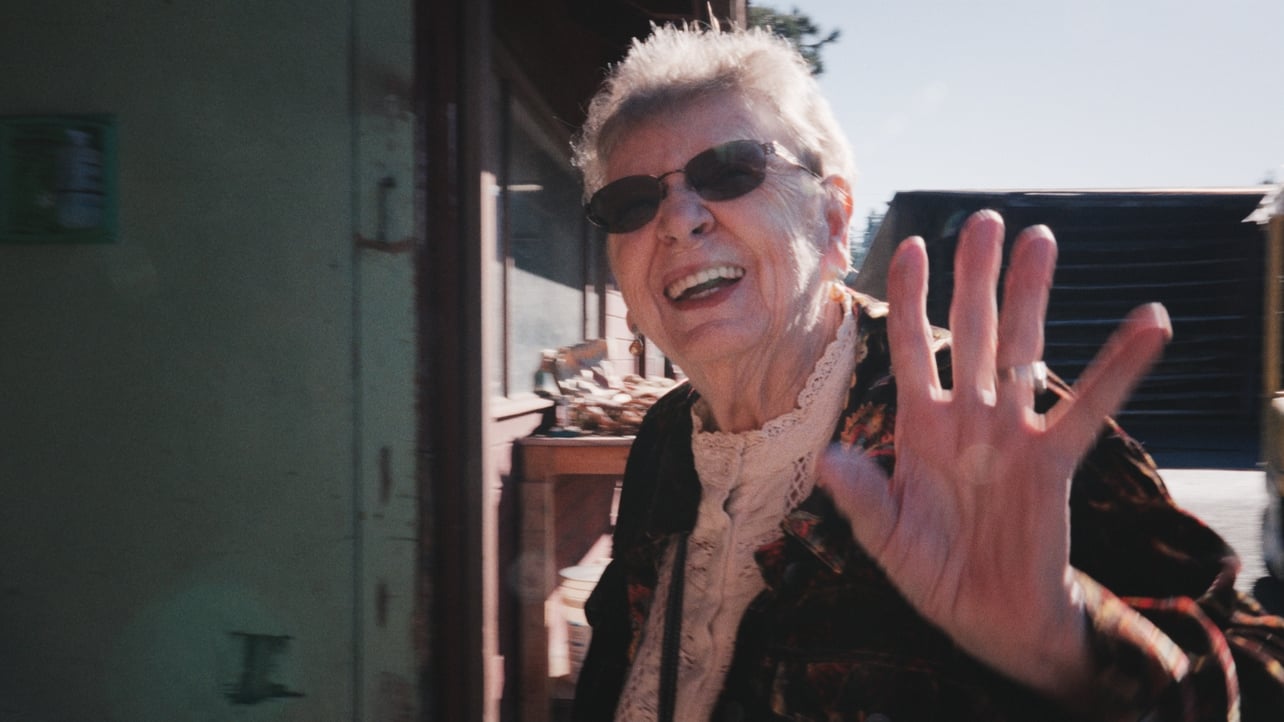 Velma saying goodbye before traveling back to her ranch in southern Montana.