

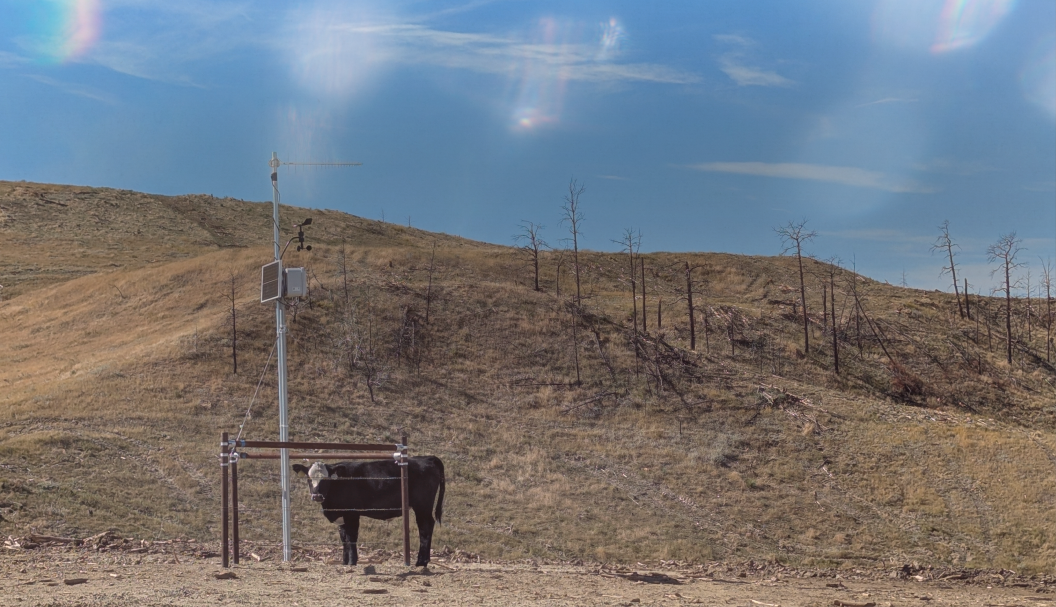
A company buys a durable carbon removal credit today.
The project is developed. The carbon is stored. The credit is retired.
What happens in 2045, when the people who signed the original agreement may have changed jobs, retired, or moved on? What happens in 2075, when monitoring equipment needs to be replaced, site conditions need to be inspected, or repairs are required? What happens if the company that developed the project changes over time?
A 100-year durability claim is longer than most companies last. A 1,000-year durability claim extends across a timeline longer than the United States, the New York Stock Exchange, Harvard, and almost every institution most of us think of as permanent.
If carbon removal is going to make claims on those timelines, it needs more than a strong project today. It needs structures that can hold up long after the original people in the room are gone.
At Mast, we believe durable carbon removal should come with a clear answer to a simple question: who is responsible for this carbon over time?
Most of the industry does not have a good answer to that question. Two out of three American startups do not survive their first decade. Yet buyers today can purchase durability claims measured in centuries or even millennia from these same companies. Registries require every project to make some provision for the long term, a contract, an easement, funding for the work. The finer point is how. A provision designed to satisfy a requirement is not the same as a structure designed to outlast the company that built it. We built MT1 so that a buyer never has to take our word for it.
After the First Questions, the Long-Term Questions Matter Too
When buyers evaluate carbon removal, they usually start with the fundamentals. Is the project creating climate impact that would not have happened otherwise? Is the carbon actually removed? Is the project measurable, verifiable, and durable?
Those questions matter. But for long-duration carbon removal, they should not be the only questions buyers ask.
The next question is: who pays for the work required to keep that storage monitored, maintained, and protected over the project’s full life?
And what happens if the original carbon developer is no longer operating decades from now?
Long-term stewardship funding is the kind of safeguard buyers hope never becomes necessary, but should still expect to see in any long-duration carbon removal project.
That is why we built long-term stewardship funding into MT1, our biomass burial project in Montana.
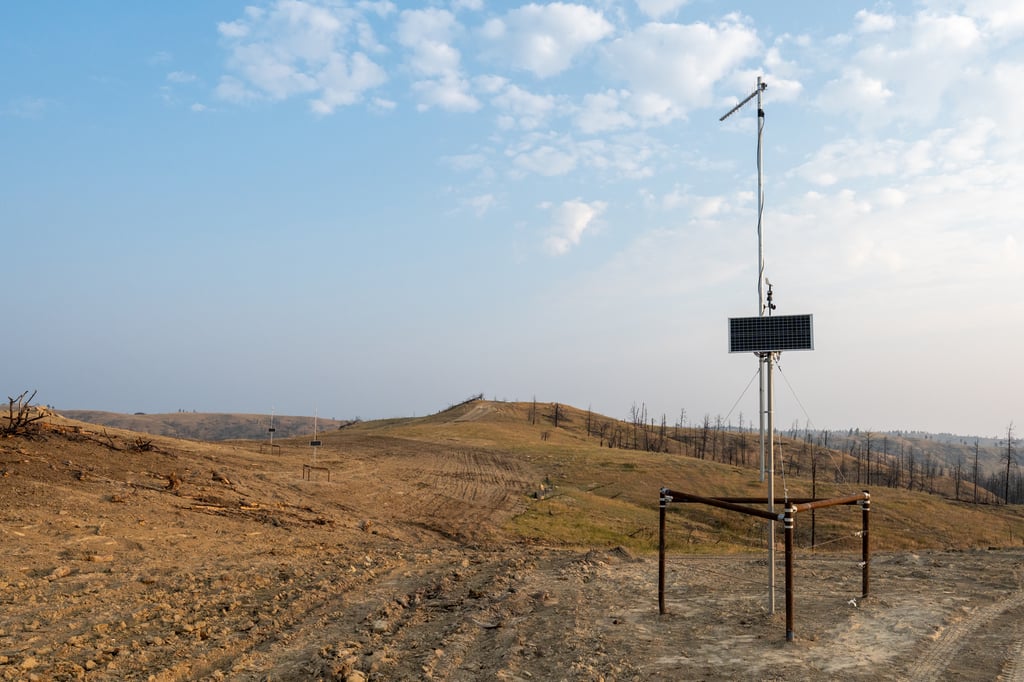
Equipment deployed for long-term, remote monitoring for GHG emissions.
Our Endowment Ethos
In plain language, the endowment is a dedicated pool of funding set aside to support long-term stewardship of the project. It helps pay for the work required to keep the stored carbon monitored, maintained, and protected for the life of the project.
In practice, that means accounting for monitoring, maintenance, hardware replacement, site visits, administration, and specific risk scenarios across the 100-year project period.
That kind of long-term planning is expected for durable carbon removal. Projects making 100-year claims need a way to protect the land and fund ongoing monitoring and maintenance obligations over time.
Where we went further was in how we modeled that funding.
The endowment was designed to support long-term equipment repair and replacement, ongoing site stewardship, and potential reversal compensation. That last piece matters. If an unlikely reversal were to occur, we intentionally modeled funding that could be used to compensate for losses through like-for-like carbon removal credits.
This is not an afterthought. It is part of the project design. If a project is making a century-long durability claim, the stewardship plan should not depend only on future goodwill, future budgets, or future corporate survival. It should be funded from the start.
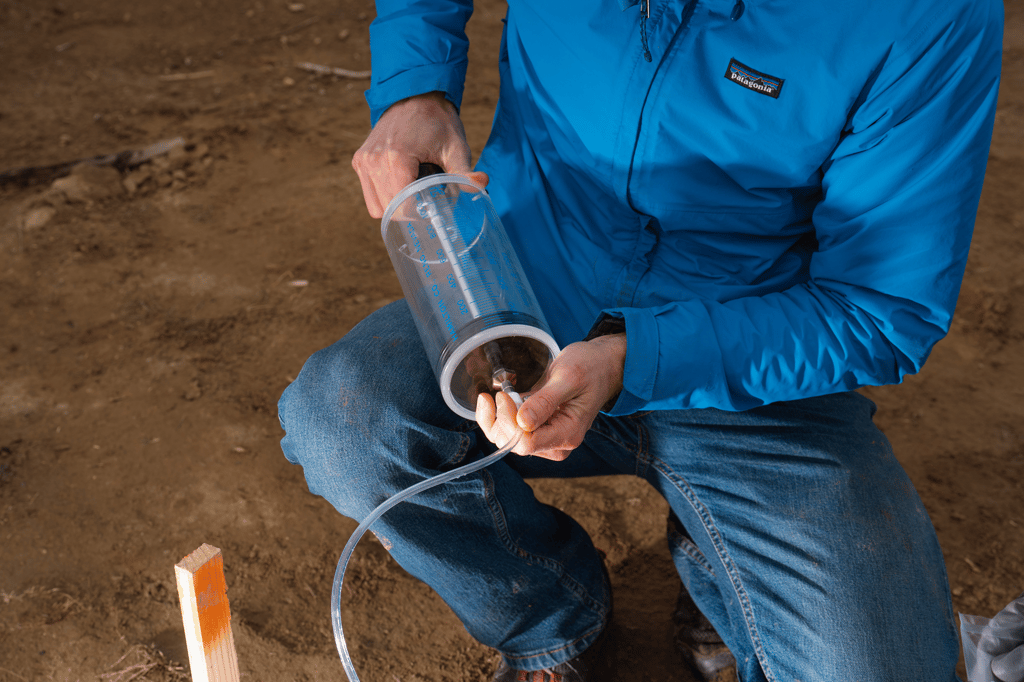
R&D data collection of gases within MT1 to validate storage conditions.
What the Endowment Helps Cover
Day to day, the endowment supports the practical work of caring for the site over time: greenhouse gas monitoring, equipment maintenance and replacement, site visits, inspections, vegetation management, and repairs if water pooling, erosion, settlement, or animal intrusion could affect the integrity of the stored biomass.
The funding also accounts for unlikely but important scenarios. If unanticipated greenhouse gas emissions occur, the underlying cause would be investigated and remediated, emissions would be quantified, and any losses would be compensated through like-for-like credits.
As we continue additional studies at the site this year, the team is on site every month. As additional sampling results come in, those patterns will help validate future visit cadence and stewardship needs, above and beyond what equipment can transmit remotely.
Who Is Responsible?
Long-term responsibility does not sit with Mast’s operating team alone.
For this project, we established a dedicated stewardship fund to support the project’s long-term monitoring, reporting, verification, maintenance, repair, and reversal obligations over time.
That structure is designed to help ensure the work can continue even if Mast changes over time. Responsibility for the project’s long-term stewardship should not disappear simply because corporate structures change.
For buyers, that matters. A durability claim should not depend solely on the future existence, priorities, or budget of the company that developed the project. It should be supported by structures designed to keep the project monitored, protected, and accountable over time.
Why the Land Matters Too
Funding is one part of the answer. Legal protection is another.
Our biomass burial projects combine stewardship funding with easements tied to the project site. Durable carbon storage happens in a real place, and that place needs to remain protected over time.
For landowners, this does not mean the whole property stops functioning as a working landscape. Cattle can still graze. Hunting can continue. The broader operation can remain in place.
What matters is that responsibility for the storage site and its long-term protection does not disappear if the property changes hands. The easement and its protections transfer with the land for the lifetime of the project, while dedicated stewardship funding supports the ongoing work.
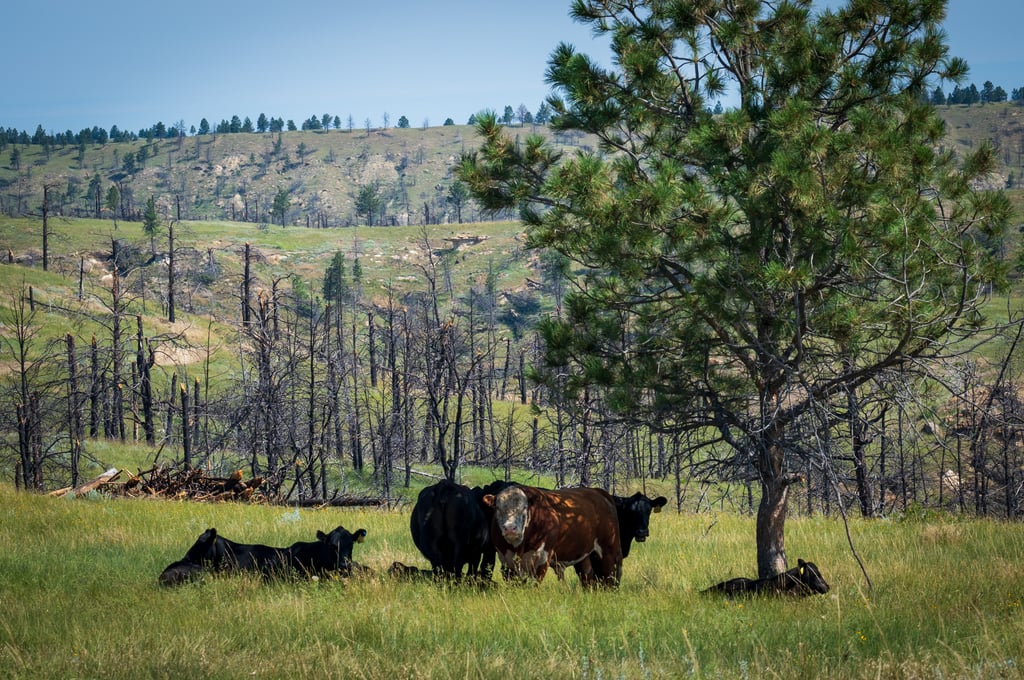
Cattle taking a break from grazing at MT1.
An Invitation to a Better Standard
Durability is only as credible as the stewardship behind it.
A contract matters. Verification matters. Monitoring matters. But buyers should also ask whether a project has dedicated funding, independent responsibility, and legal protections that can carry the project beyond the original developer.
This is the standard Mast chose for MT1. It is also an invitation for buyers to ask for more from durable carbon removal: not just where the carbon is stored today, but who is responsible for keeping it there tomorrow.
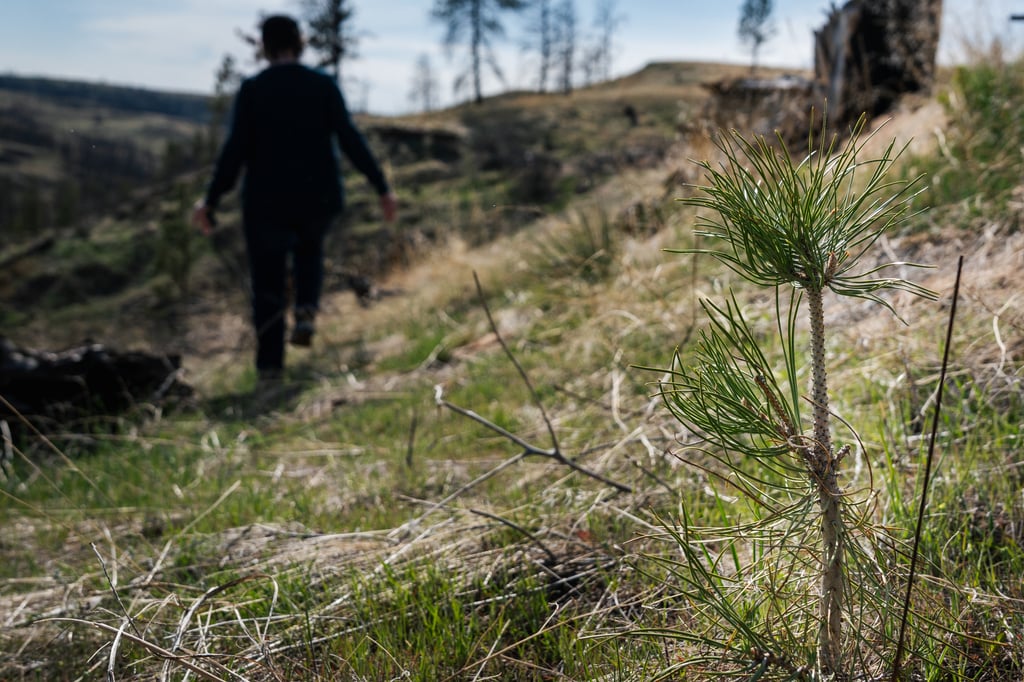 Ponderosa pine seedling growing at MT1.