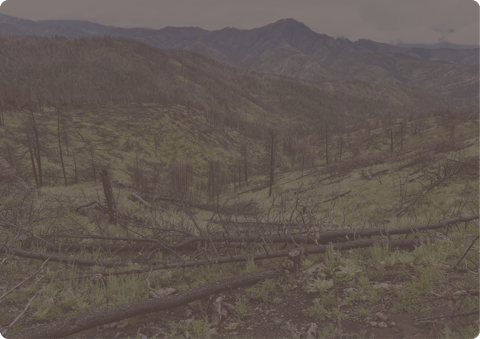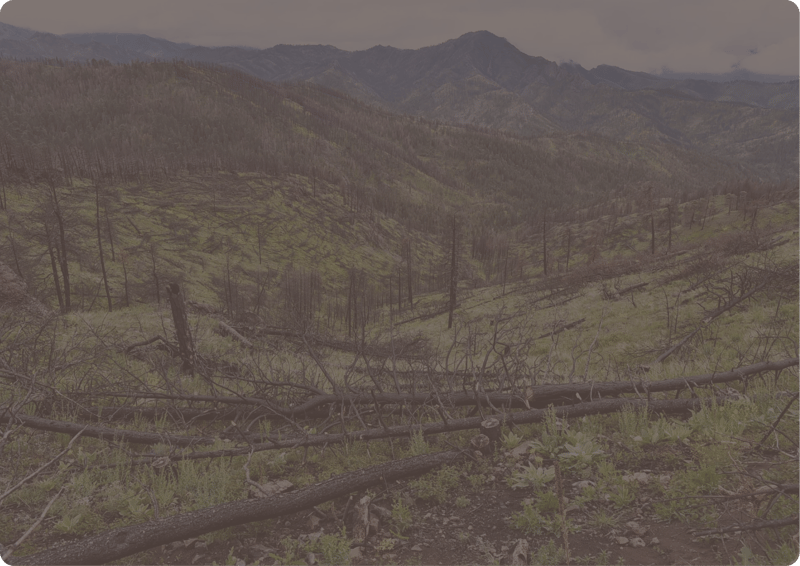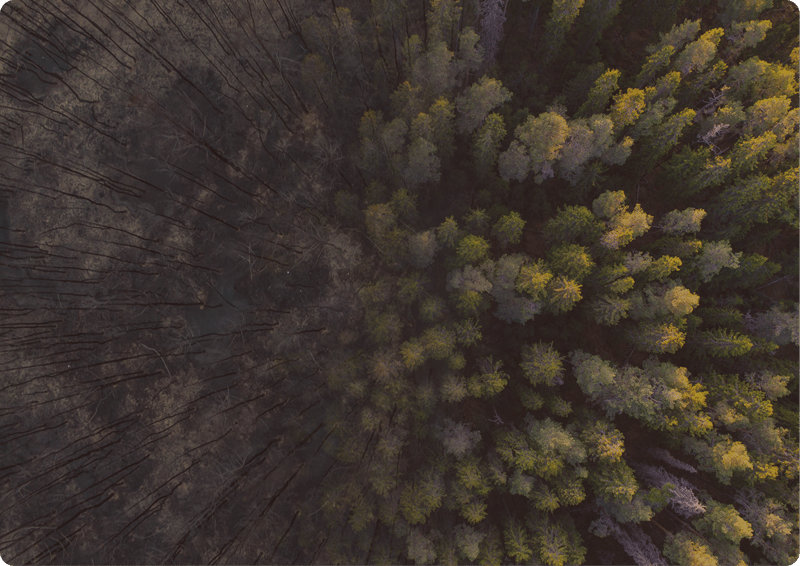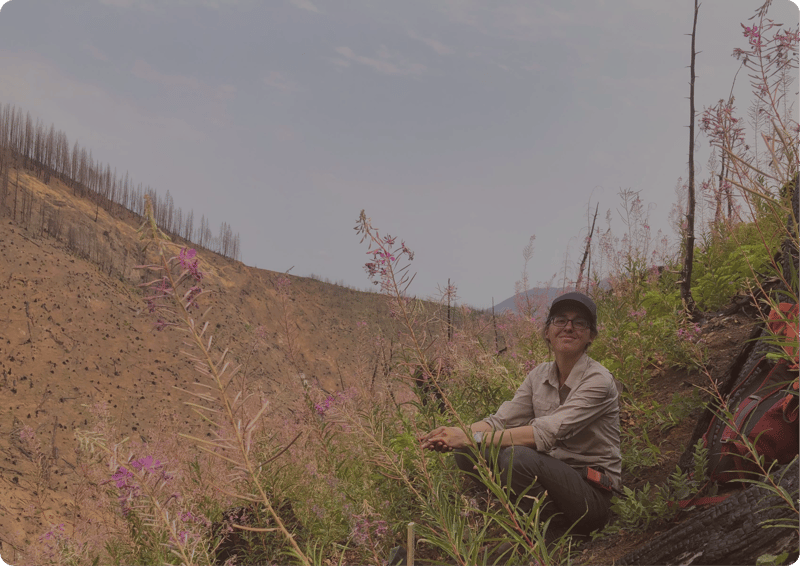
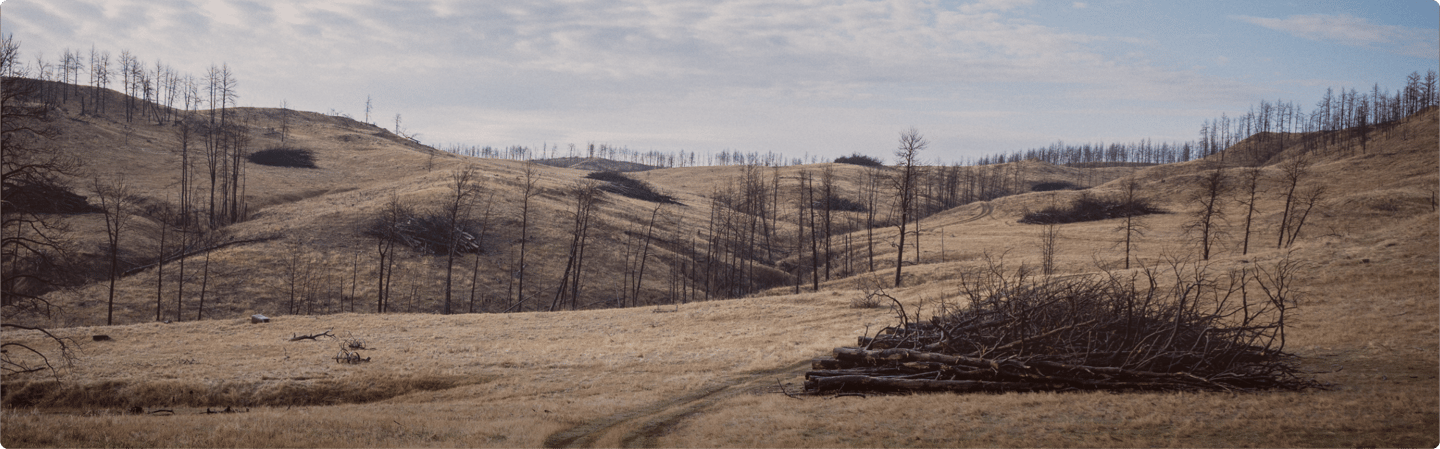
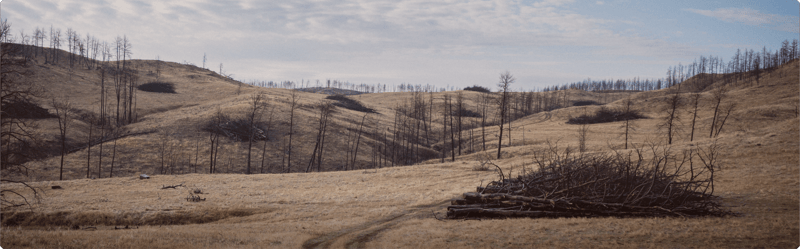
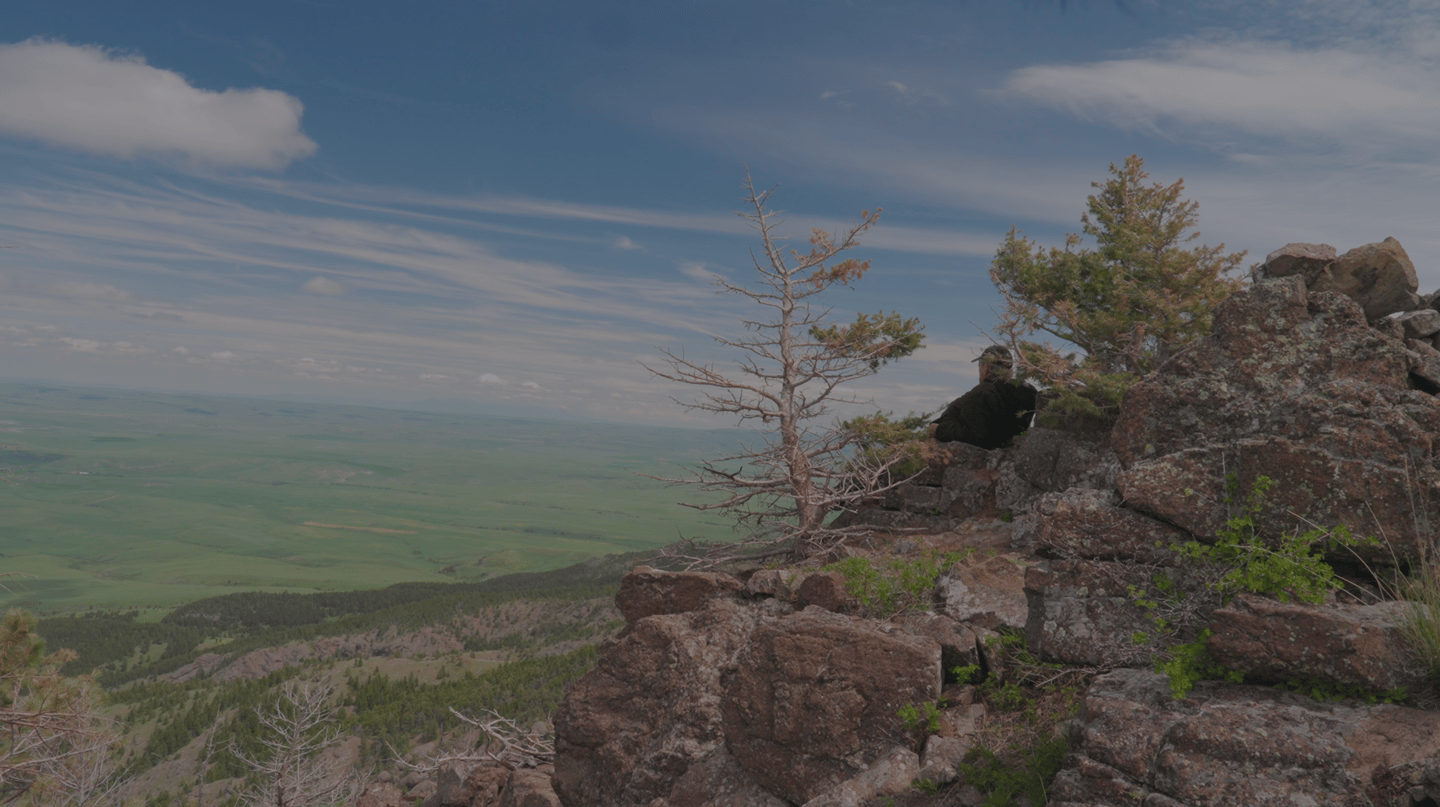
Forest fires are burning longer, and hotter, than ever before. Severe wildfire kills trees and forests’ seed sources, preventing natural regeneration. If you have lost your forests to fire, we may be able to help.
Mast is restoring landscapes that have been severely impacted by wildfire—where no other resources or options exist for recovery. We offer two pathways for support. Our two commercial nurseries supply customers across North America and operate year round to advise and fulfill your seed and seedling orders. In addition, your burned trees could be eligible for our Biomass Burial Program that generates funding for reforestation through the burial and removal of your fire-killed tree stock.
Across our operations, our goal is to help you bring your forests and working lands back to life. Here are the major steps in our process from wild seed collection to replanting for resilient reforestation.
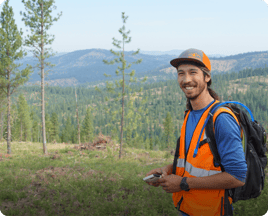
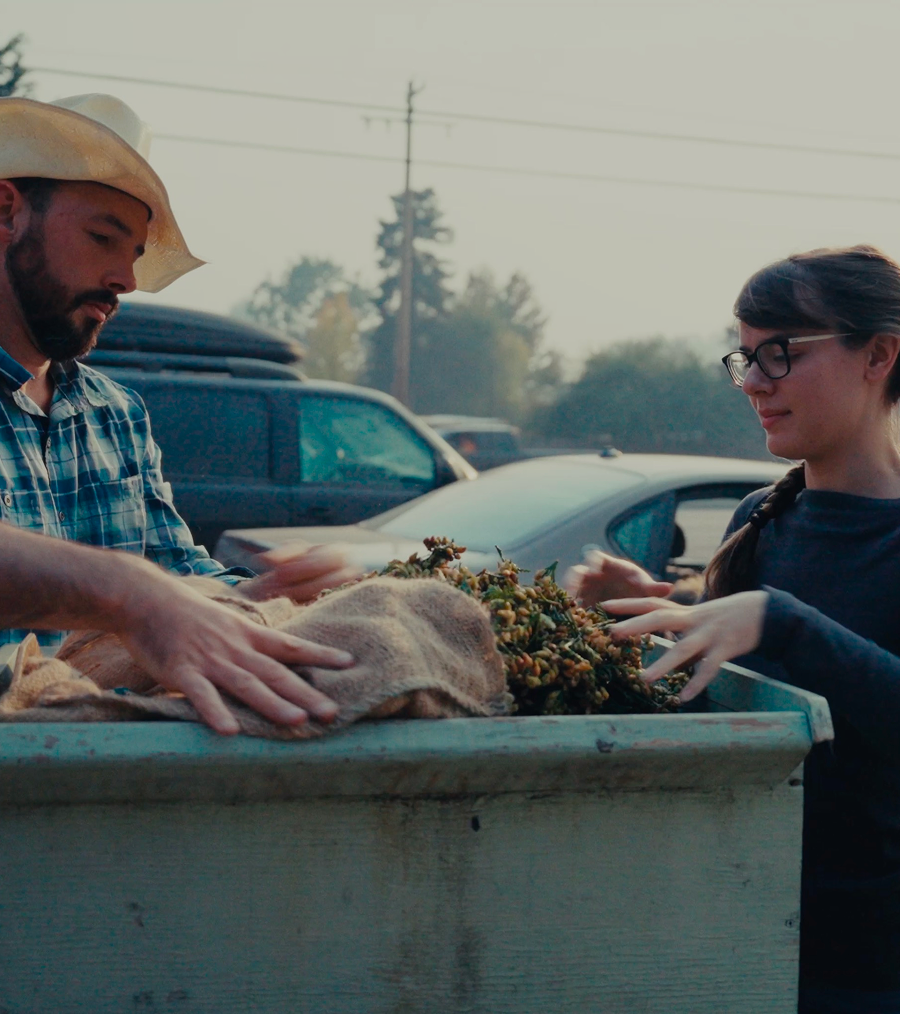
Mast and its nurseries scout, collect, and bank more than 25 species from the pacific northwest and intermountain west.
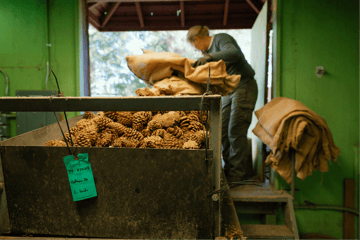
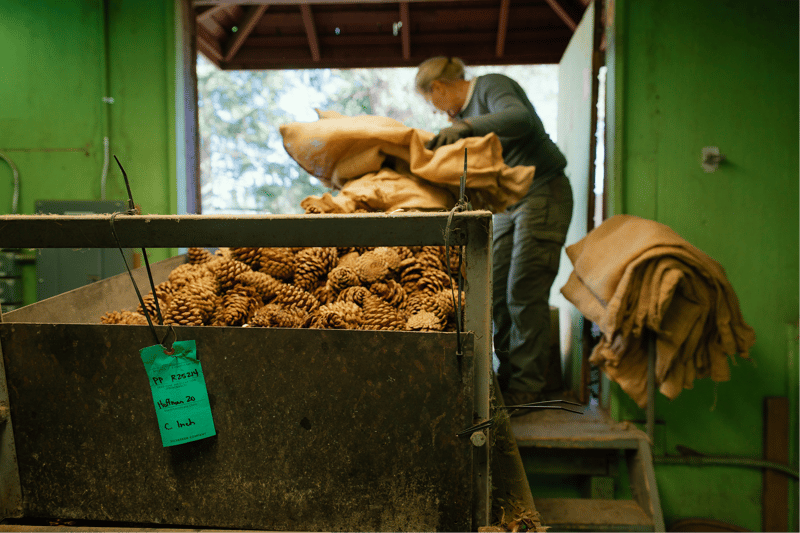
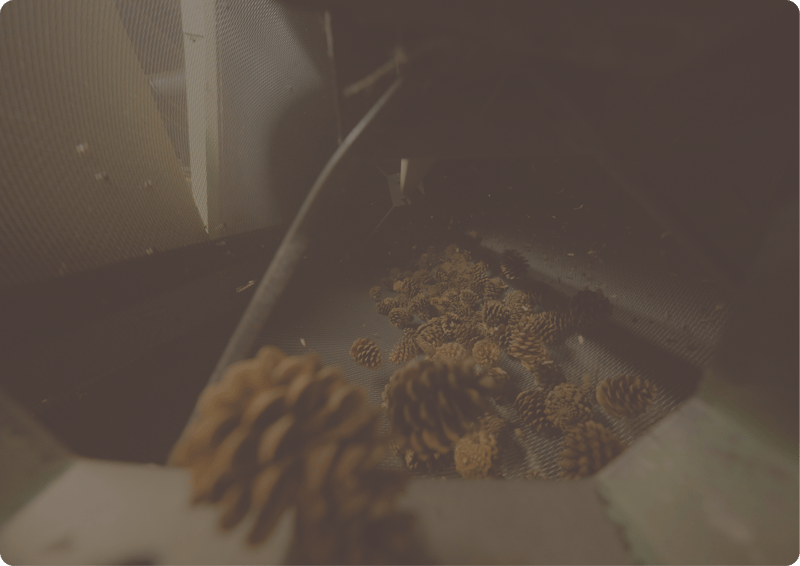
Each cone bushel is analyzed for health and vitality, then processed for proper storage in our seed bank or for immediate sowing.
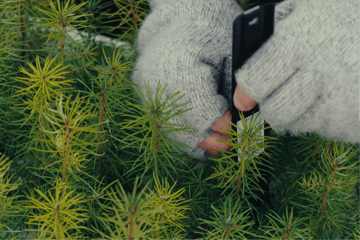
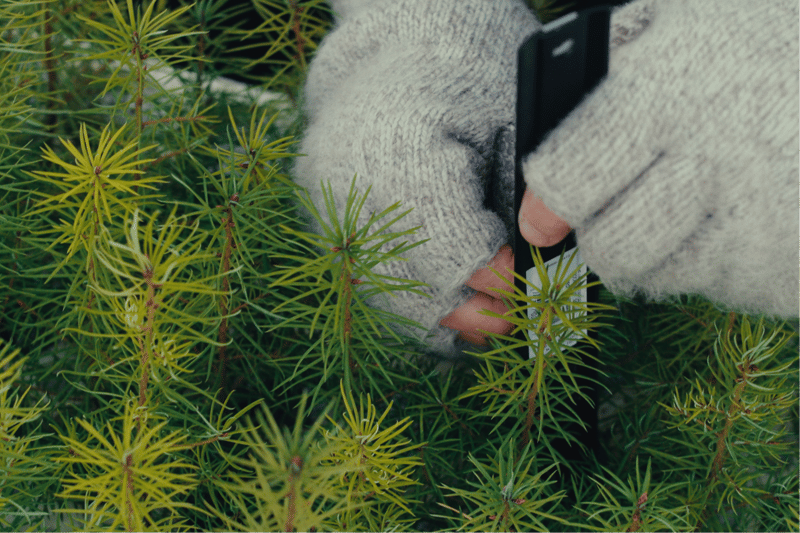
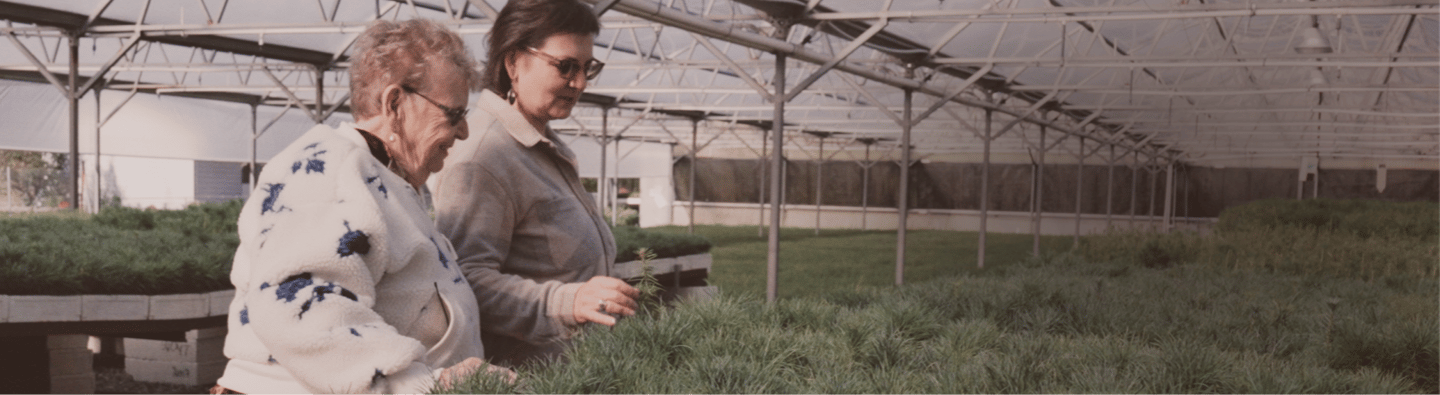
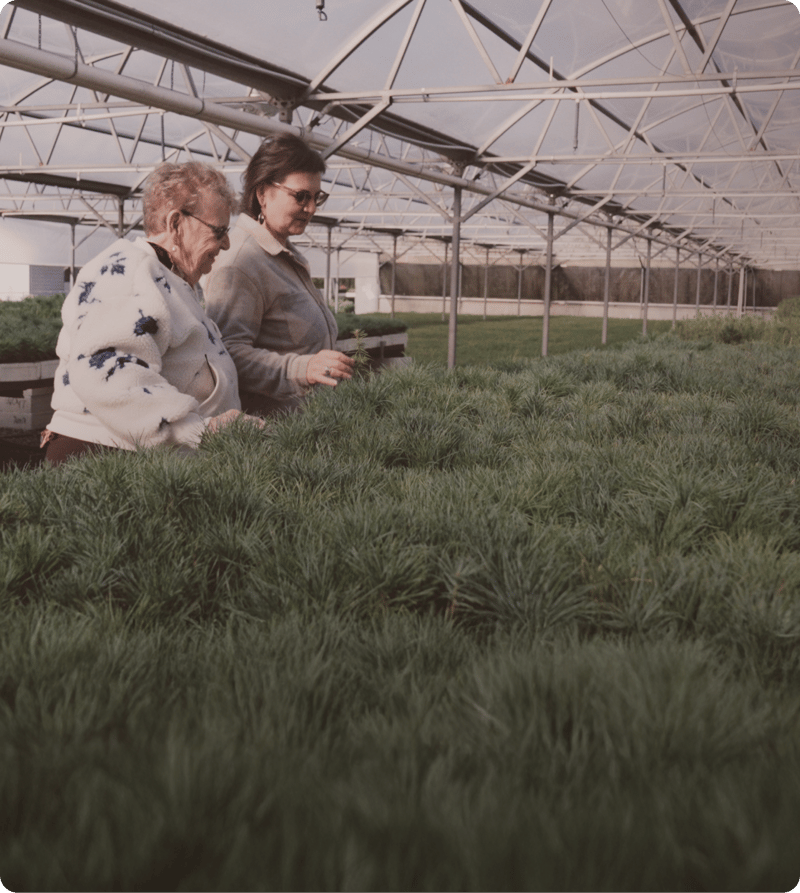
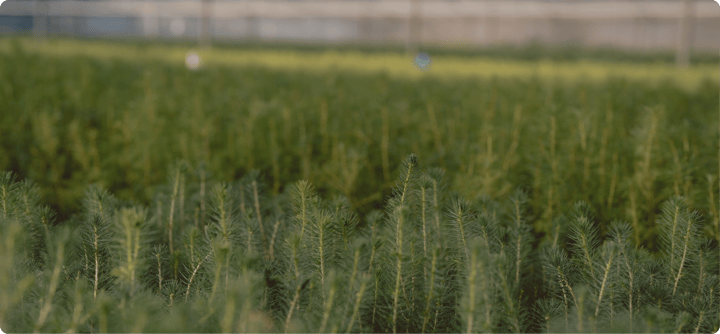
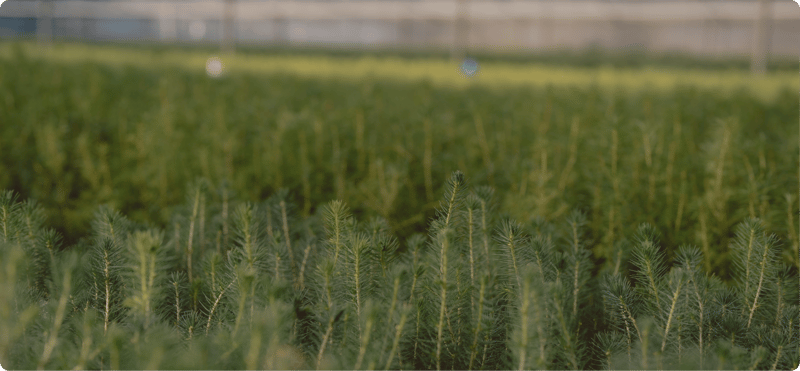
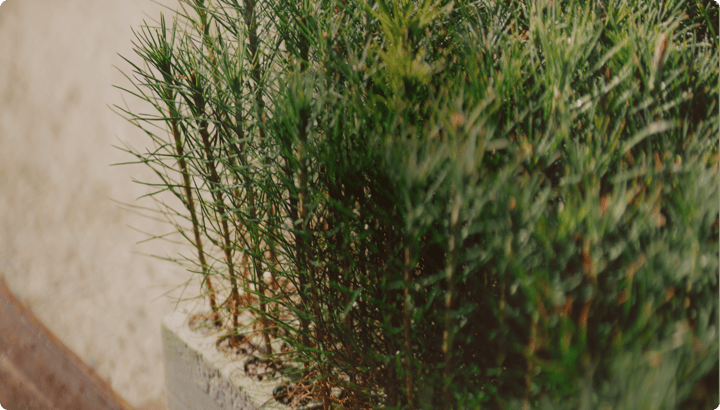
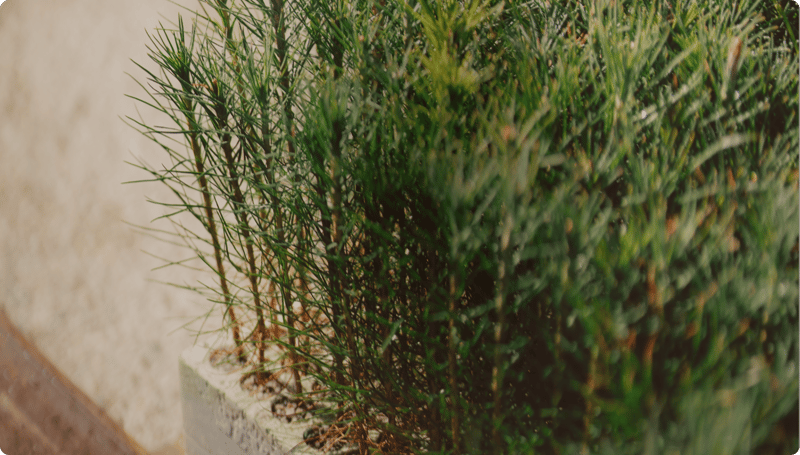
Seedling health and growth is closely monitored and maintained with precision and care.
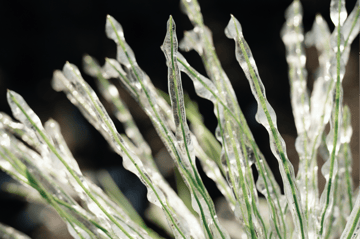
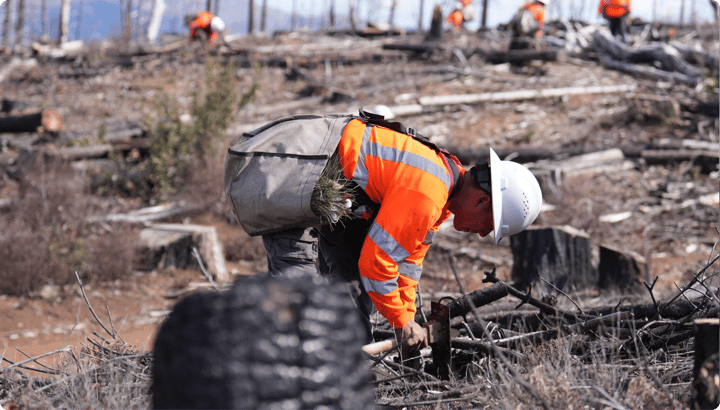
Prescriptions are guided by nature and your intent for the land. We help restore biodiversity so that forests can recover and withstand our changing climate.
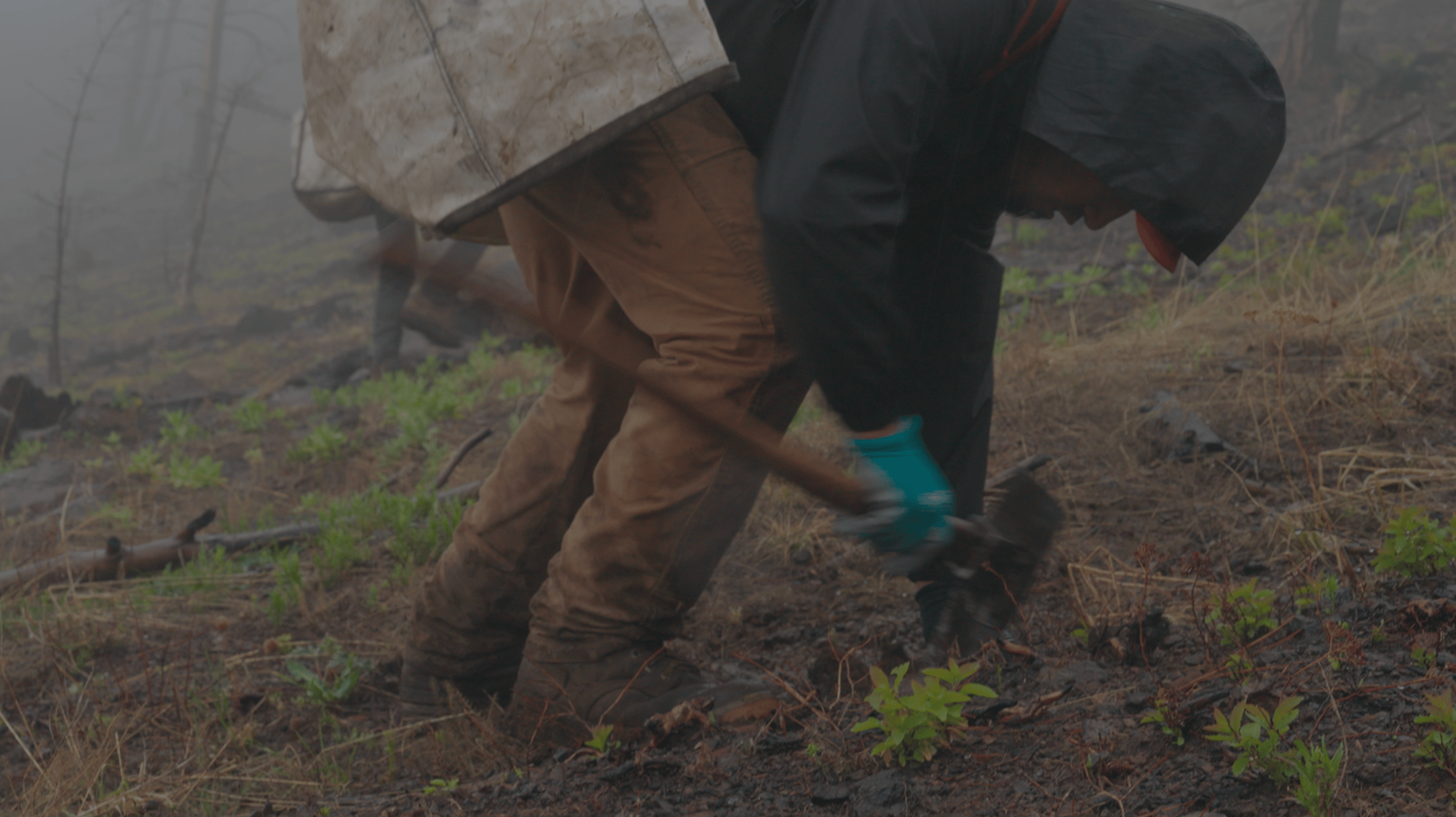
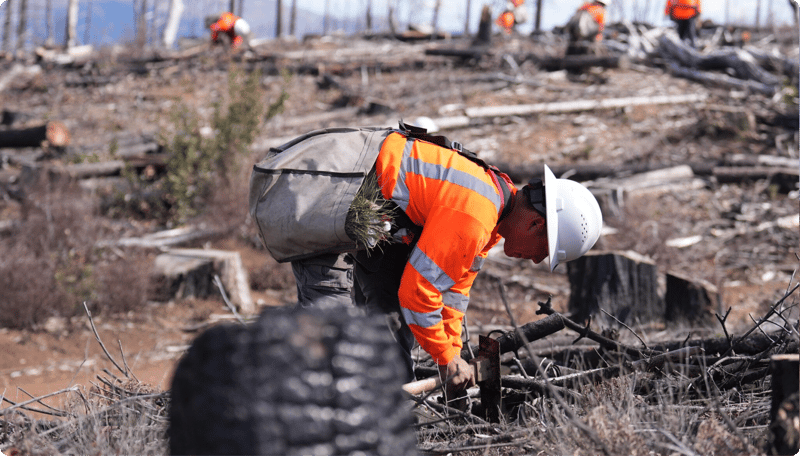
Mast’s reforestation prescriptions follow nature’s lead, and where possible, leave the land better than how it was before the fire. Our team of certified professional foresters will assess your land, the climate, and your desired management practices to develop a custom plan. Species, density, low impact site prep, and scalping techniques are considered to give seedlings their best opportunity.

We’re on the ground, up in the trees, wherever our projects take us. Here’s some background to get to know us before you meet us.
Mast manages and operates two of the largest and longest running nursery operations in the west. Silvaseed, in Roy, WA and Cal Forest, in Etna, CA.
Silvaseed Nursery founded
Bushels of cones processed in 2025
annual seedling capacity
seedlings planted to-date
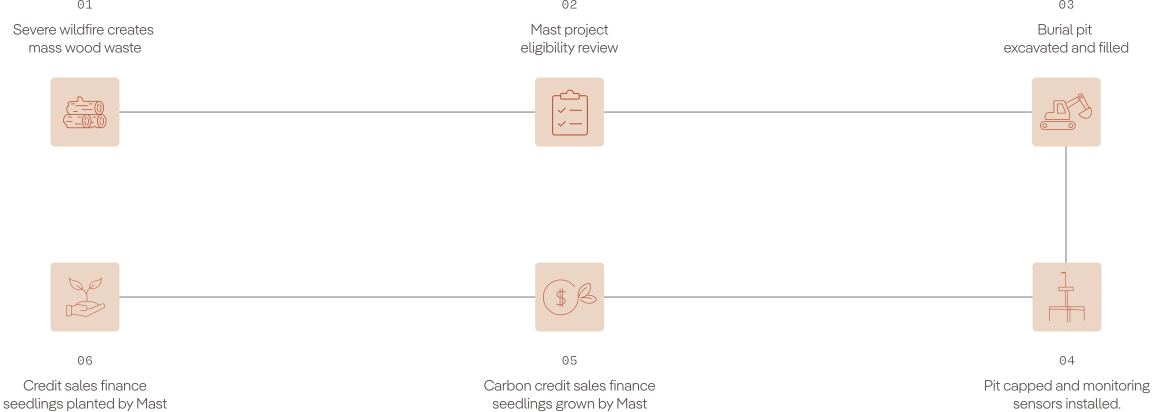
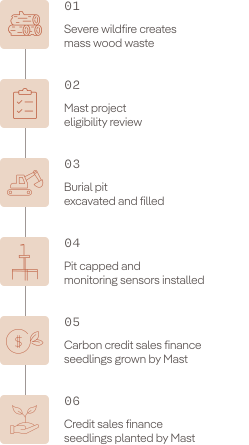
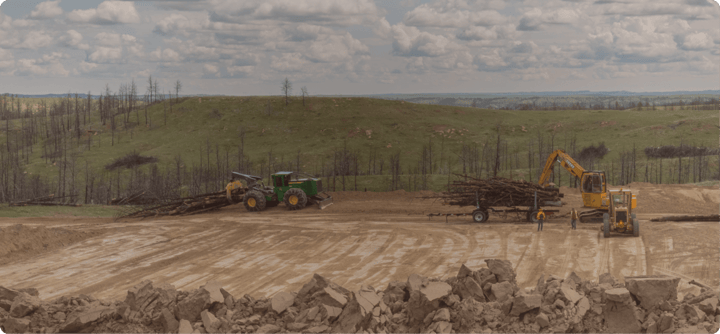
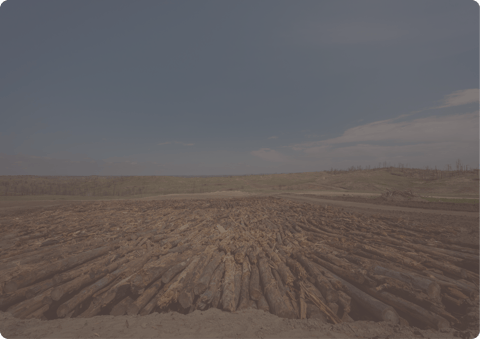
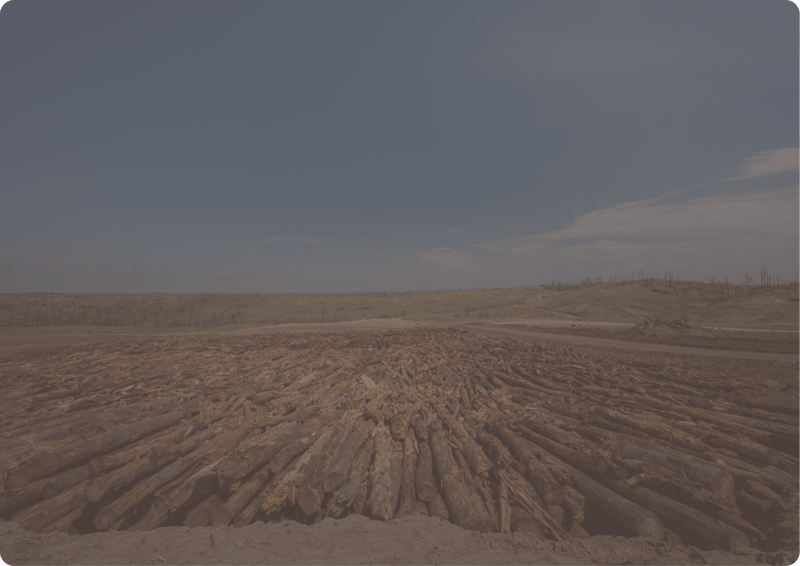
Fire-killed trees still contain most of their carbon. When buried and secured out of the atmospheric cycle, that carbon becomes a new asset: carbon removal credits. Mast sells these credits to fund our reforestation in critically burned areas. See what it looks like.
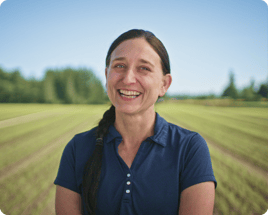
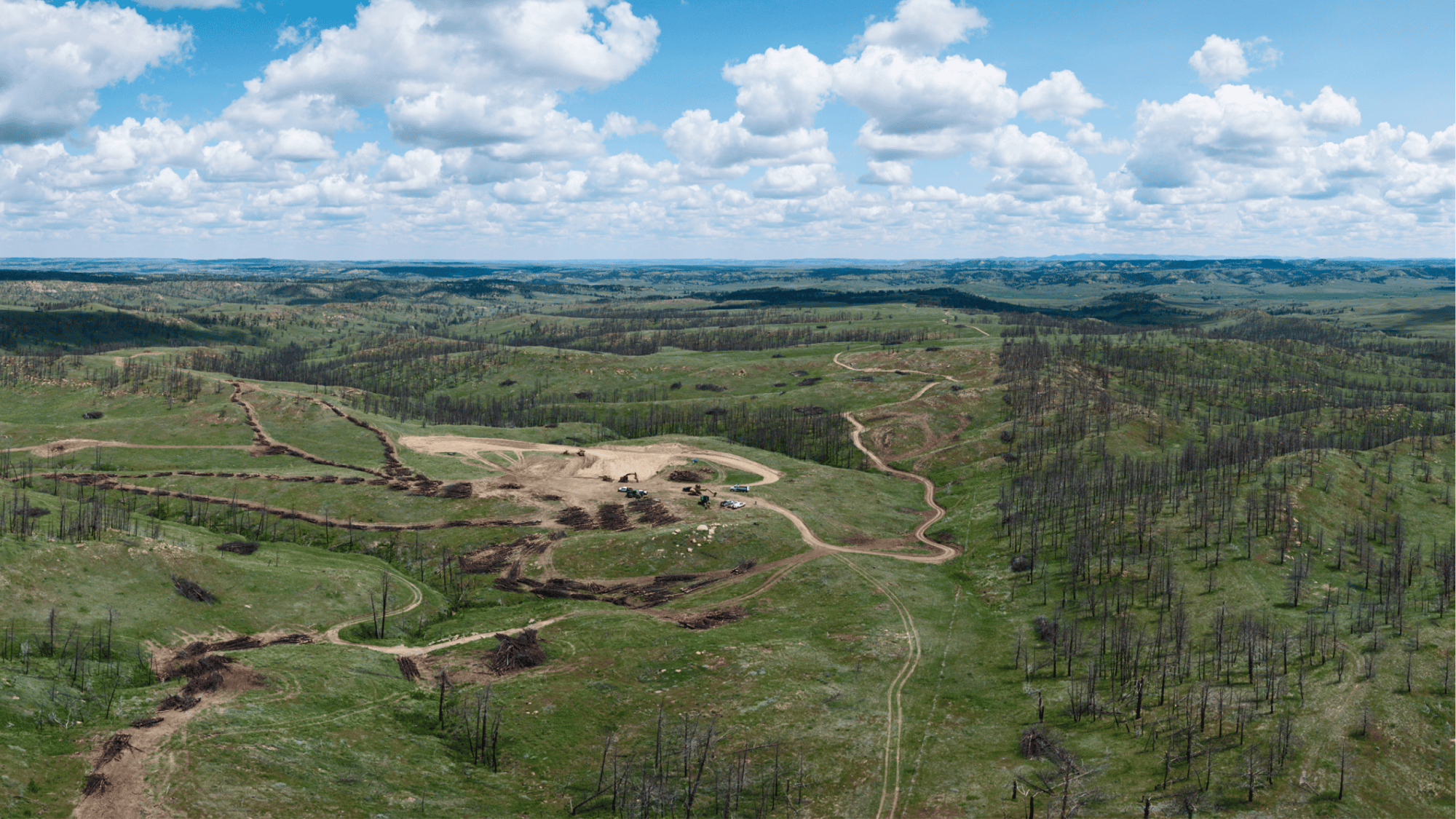
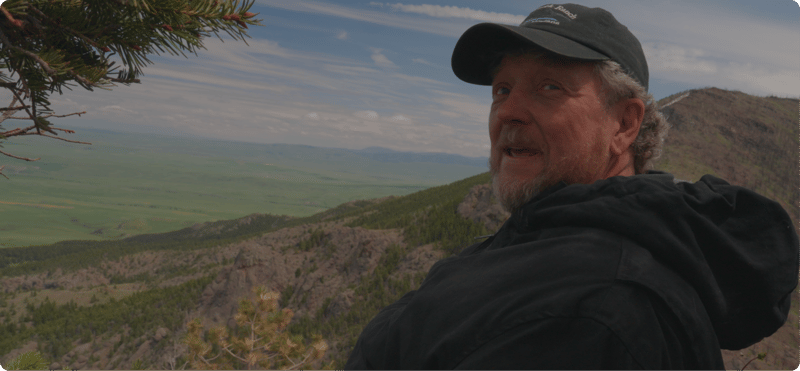
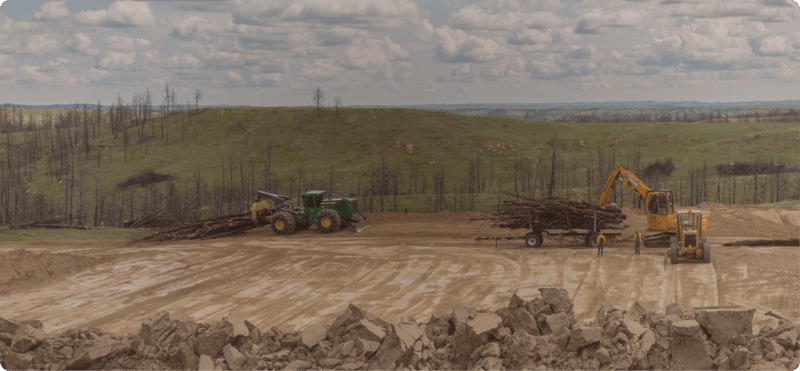
In 2021, the Poverty Flats Fire devastated the Gentry property. Out of mill range, a consulting forester cleared and piled most of their fire-killed trees with the plan to burn them to reduce the risk of future fires. Just in time, we partnered to bury those logs instead. Carbon credits generated from the burial their trees were sold within the same year, which financed 125+ acres of low density ponderosa pine planting.

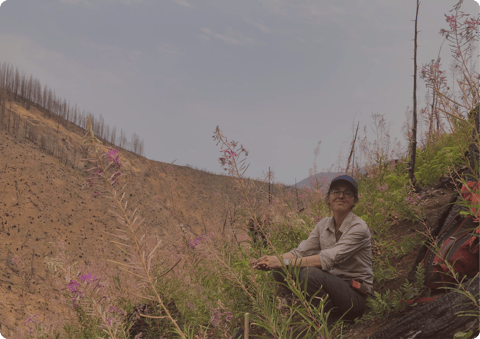
— Rebecca Gentry, Landowner
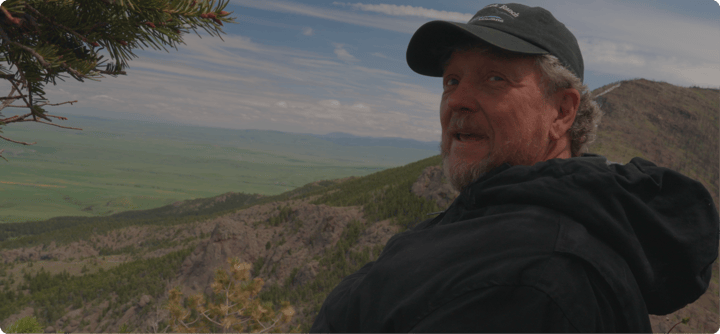
Wildfires move fast, but so can recovery. Mast has pioneered a way for reforestation to pay for itself with the burial of hazardous, waste fire-killed trees. Join our network of committed landowners, buyers, and investors to help us expand this work across North America.
Mast has been on this mission for more than a decade, our team for most of our careers. Our work has been deeply informed by the landowners we have had the privilege of working with, and our results from our shared commitment to making sure our future has forests.
Awareness is critical to help expand and accelerate reforestation. We’re deeply grateful for the reporters and researchers who continue to dig in with us to examine this work and share it more broadly.
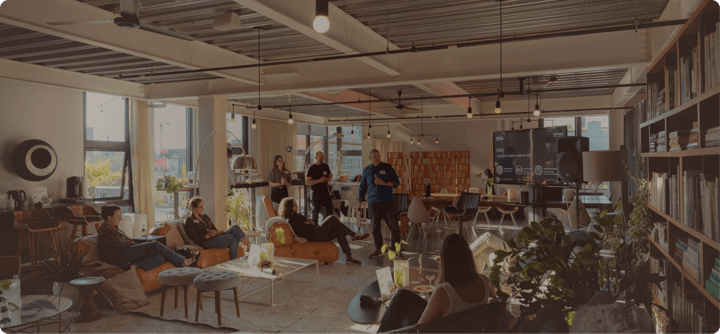
This work has brought some beautiful stories to light, and we believe in the power of sharing them. Directed by our Senior Product Designer, Trever Santora, Cone People is a tribute to the humble network of people whose livelihoods are upholding the genetic legacy of northwestern forests and building future forests, one bushel at a time.